
Chino Hills Neighbor Sources
A block lookup should begin by naming what each source can show. Parcel Access and GIS establish adjacency. Deeds show recorded parties and transfers. Permits show project roles at an address. Neighborhood Watch and National Night Out offer organized community contact without publishing member names. A voter file is purpose limited and cannot be repurposed as a private neighbor browse.
| Source | What it shows about a block | Access |
|---|---|---|
| County parcel map | Adjacent polygons, APNs, situs, assessment details | Free ARC Parcel Access; not occupants |
| Recorder deeds | Owners in successive recorded transactions | Index free; images counter or order |
| City permits | Address-level work and named project roles | Focused public-record request |
| Neighborhood Watch | How to organize and contact police | No public member roster |
| National Night Out | Civic events and neighborhood activity | Organizers provide event details |
| District and CFD maps | Shared fiscal and geographic boundaries | Free city maps or PDFs |
| Voter file | Approved-purpose registration data | Cannot be used for private neighbor browsing |
That is a block lookup, not a list of who lives on every lot. The map establishes the shape of the block. A record custodian establishes the narrow fact attached to one parcel or event.
Mapping a Chino Hills Block
Use ARC Parcel Access to locate the target address and open its parcel polygon. Zoom until lot lines are clear. Click the parcel immediately left, right, or across the street. Record each APN and situs separately. Then compare the parcel geometry with the city GIS context before searching a name or deed.
The process keeps adjacency from becoming identity. A road, open-space parcel, condominium common area, or association-owned tract may sit next to a home without corresponding to one household. The assessment name may belong to an owner who never occupies the parcel. Do not infer a neighbor from a polygon alone.
- Resolve the target address to one APN and save the situs and legal-description clues.
- Open each touching parcel one at a time and note whether it is a lot, road, common area, or district tract.
- Use a deed search only when a recorded ownership question is relevant, matching the APN and legal description.
- Use a focused permit or map request for the specific address and date range.
- For a human connection, use a consent-based civic program instead of publishing a name list.
The Chino Hills street directory carries the full named-street record chain. The neighbors method stays with the immediate parcels and community layer.
Adjacent Chino Hills Parcels
Parcel adjacency is the most defensible way to define nearby property. A parcel map can show lot lines, APNs, and assessment details. It cannot show every person in a building. A condominium common area, road, open space, or association tract may have its own ownership pattern. One parcel can also contain more than one unit or structure.
When a name appears on the assessment card, keep the wording precise: “name associated with assessment administration.” The assessor does not make a legal determination of ownership or permitted use. A deed can add a recorded transfer, but it still does not list every occupant or guest.
- Adjacent parcel
- A mapped lot or tract whose polygon touches the target parcel, subject to map scale and boundary detail.
- APN
- The assessor parcel number used to keep one assessment unit distinct from another.
- Situs
- The physical location of the parcel, separate from a mailing address.
- Block
- The immediate group of parcels around an address, not a guaranteed group of households.
Chino Hills GIS Community Layers
Chino Hills GIS maps add context around the parcels. City products include zoning, general-plan and land-use maps, school locations, civic facilities, community facilities districts, and street-sweeping maps. These layers can show why a block sits in a particular district or why a special assessment area crosses several parcels. They do not supply a roster of people.
The city’s mapping history began with Water Works District 8 needs in 1985, passed through county GIMS base maps, went without city GIS from 1993 through 1995, and returned in 1996. That record story matters when an older map is missing from a modern portal. Ask the City Clerk or Engineering office for a specific map, tract, boundary, or date.
Note: A district or zoning layer explains shared geography, not a neighbor’s identity, household, or daily presence on the block.
Named Chino Hills Communities
Community names help a Chino Hills neighbors search stay grounded. Research and city material identify Carbon Canyon, Sleepy Hollow, Eagle Canyon, Vellano, Village Oaks or Oak Ridge, Butterfield, Los Serranos, and Fairfield Ranch. They are geographic search terms for plats, district maps, older records, and civic information. They are not proof of association membership or a roster of people.
Special-district geography adds another layer. City CFDs include numbered districts and Vila Borba. A district map can show which parcels share a fiscal boundary. It cannot tell whether adjacent owners know one another or who is present in a home. Keep the community label, parcel, and person as separate fields in research notes.
Neighborhood Watch in Chino Hills
The city’s Neighborhood Watch route is a consent-based answer to the question of how to connect with neighbors. A group can be a few homes, a whole block, or an apartment complex. The group designates a Block Captain and contacts Chino Hills Police at 909-364-2000. The city does not publish a member roster.
This civic route is different from parcel research. It creates a way for people to opt into contact rather than treating an assessment name as an invitation. A public neighborhood program can explain how to organize while keeping household names and addresses off the open web.
Neighborhood Watch
Group size: a few homes, a block, or an apartment complex
Chino Hills Police: 909-364-2000
Block Captain model; no public roster
Neighborhood Resources
City programs, community contacts, and local services
Use the listed program route, not a scraped list
National Night Out in Chino Hills
National Night Out adds a timely civic layer to a neighbors search. In 2025, Chino Hills officials visited 28 neighborhood events, and the city ranked sixth nationally among cities in the 50,000-to-100,000 population class. Events are decentralized. Organizers supply details to the city, but that does not authorize publication of participant addresses.
For a person trying to meet people around a block, a public event or Neighborhood Watch contact is safer and more accurate than a compiled neighbor list. For a family-history project, the event is background context rather than a residence record.
Chino Hills Voter Privacy
California’s voter-facing form is a self-check, not a Chino Hills block directory. The California voter registration source explains registration and the confidential-voter route. My Voter Status asks the voter for identifying details before returning that voter’s status. It cannot browse a street or ZIP.
Voter-file disclosure is limited by Elections Code sections 2188 and 2194 and California regulations. Approved election, scholarly, journalistic, political, and governmental purposes are different from private neighbor browsing. Signatures, Social Security numbers, driver-license and state-ID numbers are withheld. Safe at Home participants and certain public-safety voters receive stronger address protection. The Secretary of State’s Safe at Home explanation describes substitute addresses and the program’s limits.
The California voter registration source captured for this Chino Hills neighbors page makes the privacy boundary visible.
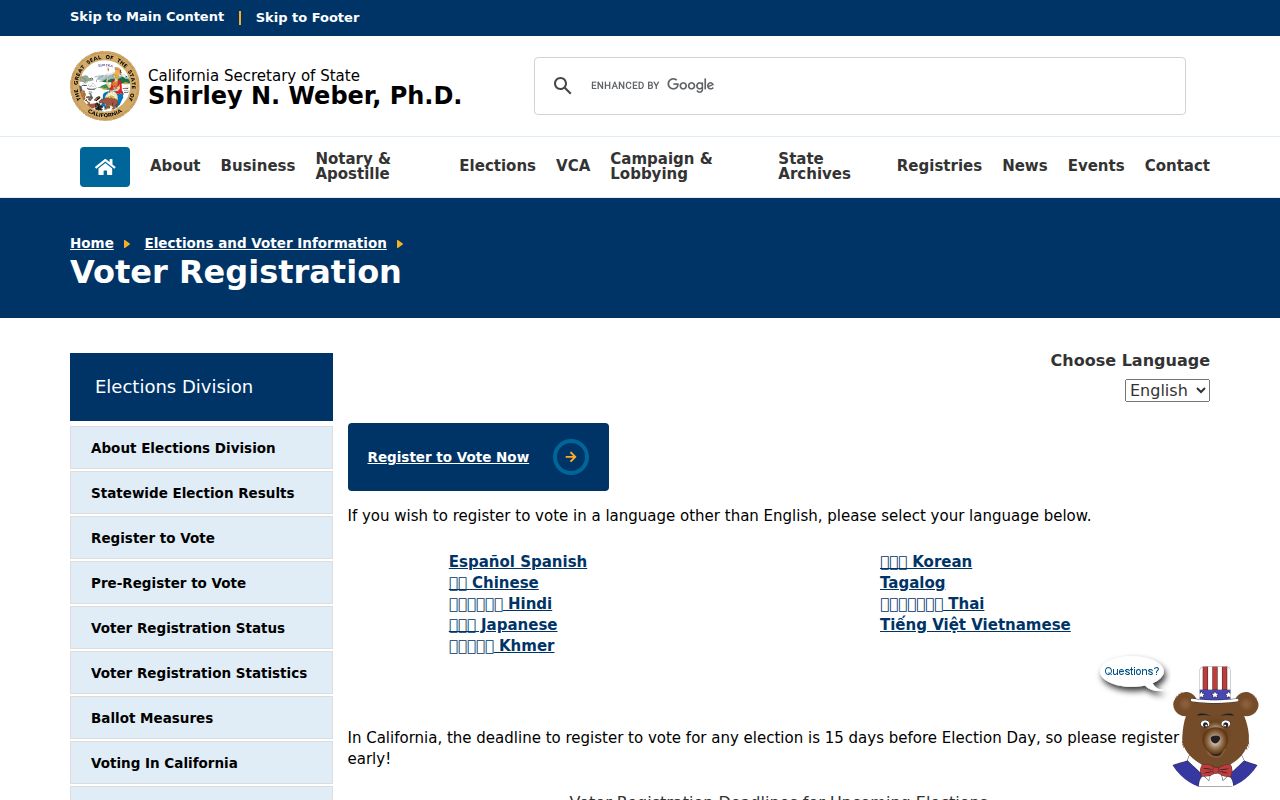
Use the state route for a voter’s own check or an approved records process, never as an open neighbor search.
The state’s voter-privacy information also explains which identifiers are withheld and why a protected address should not be treated as a block clue.
The California voter registration privacy information captured for this Chino Hills neighbors page explains the identifiers that are withheld.
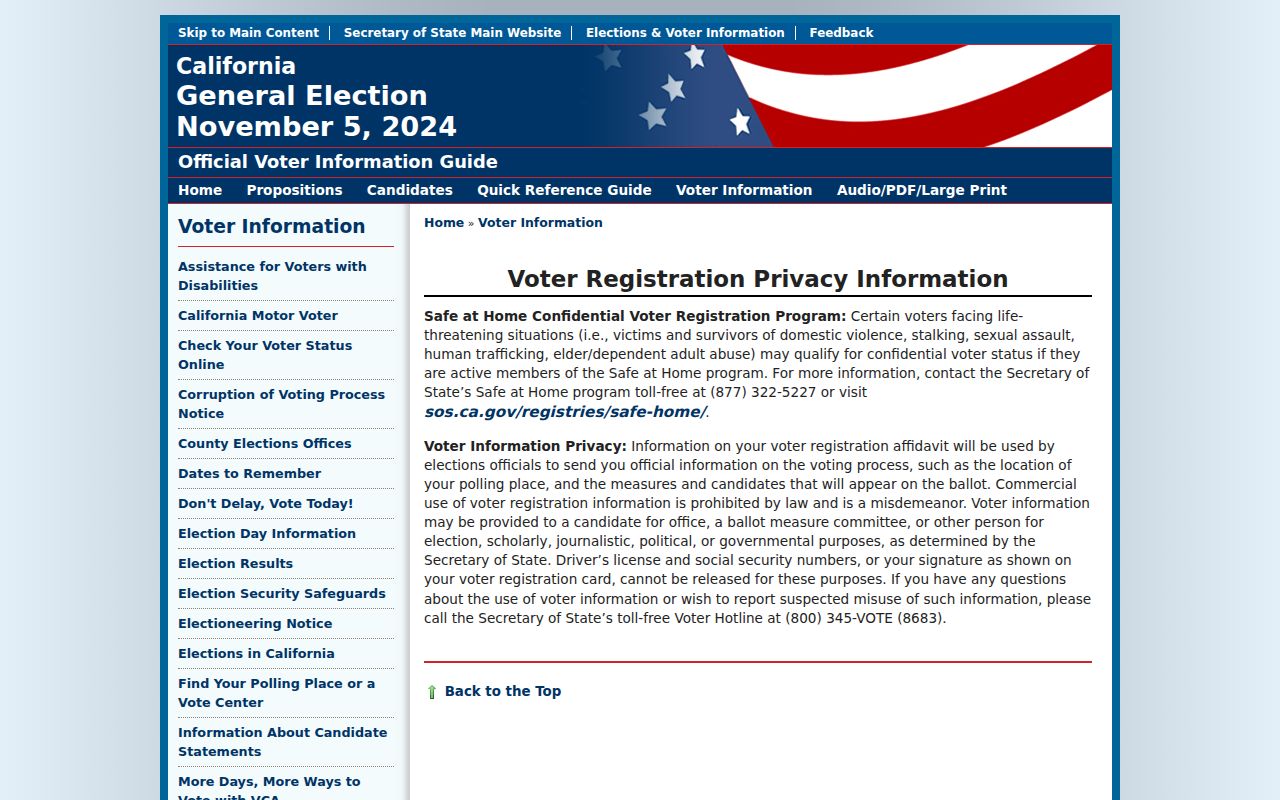
That privacy source belongs beside the public registration route, so the limits are read with the lookup instructions.
Megan’s Law and Chino Hills
California’s Megan’s Law website publishes registrant information under a statutory framework and displays an explicit warning against harassment or misuse. It is not a general map of Chino Hills neighbors, and a registry result should not be blended with parcel adjacency or treated as proof of current residence beyond the source’s displayed information.
The California Megan’s Law source captured for the Chino Hills neighbors lookup is a narrow public-safety registry route. Read its warning, use the official interface, and do not republish or confront anyone based on a registry entry.
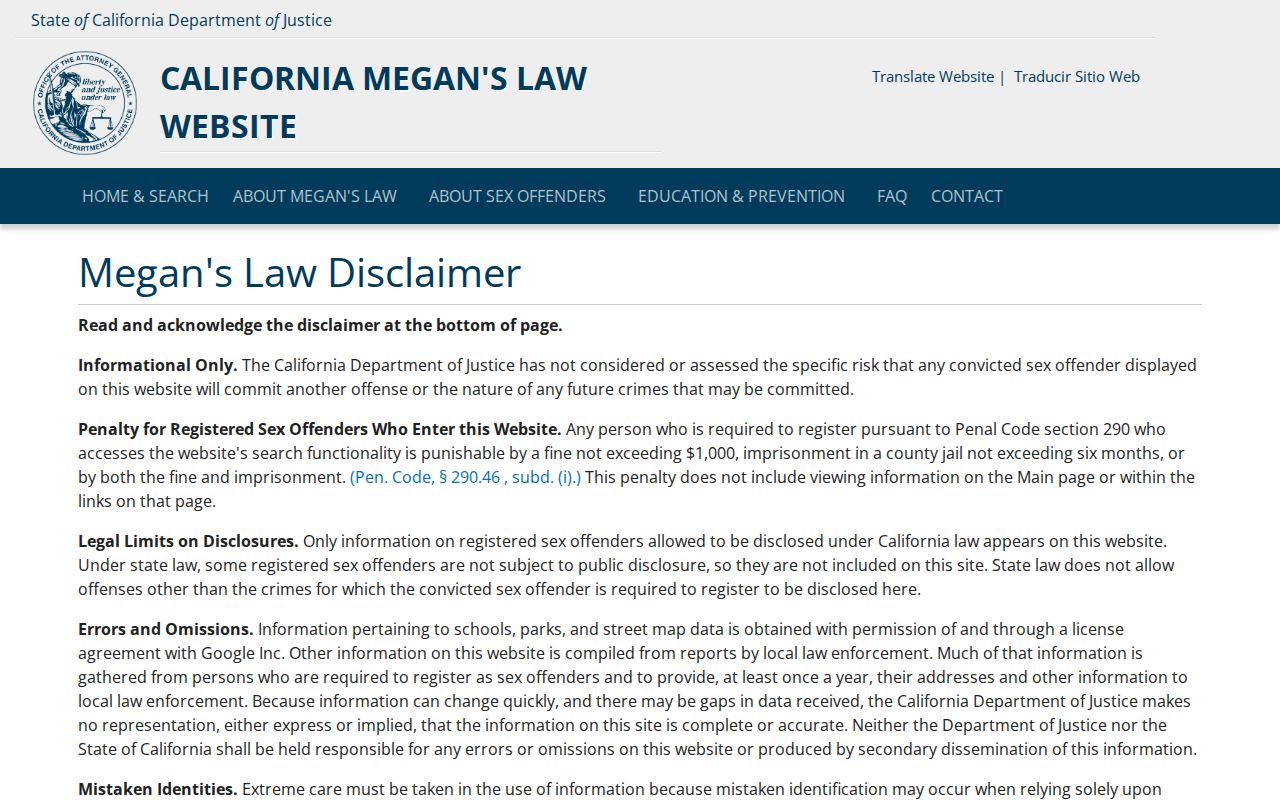
The screenshot belongs to a protected-registry context, not an ordinary block directory.
Official and Commercial Neighbor Clues
Official records and commercial compilations have different strengths. An official parcel card or deed has a named custodian, a record type, and a defined access rule. A commercial compilation may combine old assessment data, marketing data, and other sources, then join people by name. It may be fast, but speed does not repair a wrong same-name match.
| Source type | Useful clue | Core limit |
|---|---|---|
| Parcel map | Which polygons touch and which APNs they carry | Does not identify occupants |
| Recorded deed | Owner parties and transfer date | Does not list every household member |
| Focused permit | Project roles and building chronology | Privacy and active-case exemptions may apply |
| Civic program | Consent-based way to meet or organize | No public member roster |
| Commercial compilation | Possible lead from combined sources | Stale data and same-name joins can be wrong |
Choose the official source when the fact matters. Choose a civic route when the goal is human connection. A neighbor lookup should not expose more than the question needs.
What Chino Hills Neighbors Cannot See
No public source in the research supplies a complete block roster. Protected voters, Safe at Home participants, minors, guests, household relationships, utility customers, and many non-owner occupants remain absent or protected. A parcel map can establish adjacency only. A deed can establish a recorded transaction only. A voter file cannot be repurposed for a private block browse.
Keep a neighbor search narrow, dated, and source-led. If the goal is safety, use the police or civic contact route. If the goal is family history, use a dated archive or directory. If the goal is property history, use the APN, deed, and legal description. Do not confront a person or publish a private roster from public clues.
Lawful use. Chino Hills neighbors research is for parcel context, civic connection, family history, and personal safety awareness. Do not use records to stalk, harass, intimidate, or harm anyone.